Complete series · All 9 parts published
A nine-part examination of power electronics, grid infrastructure, and the engineering of a changing power system.
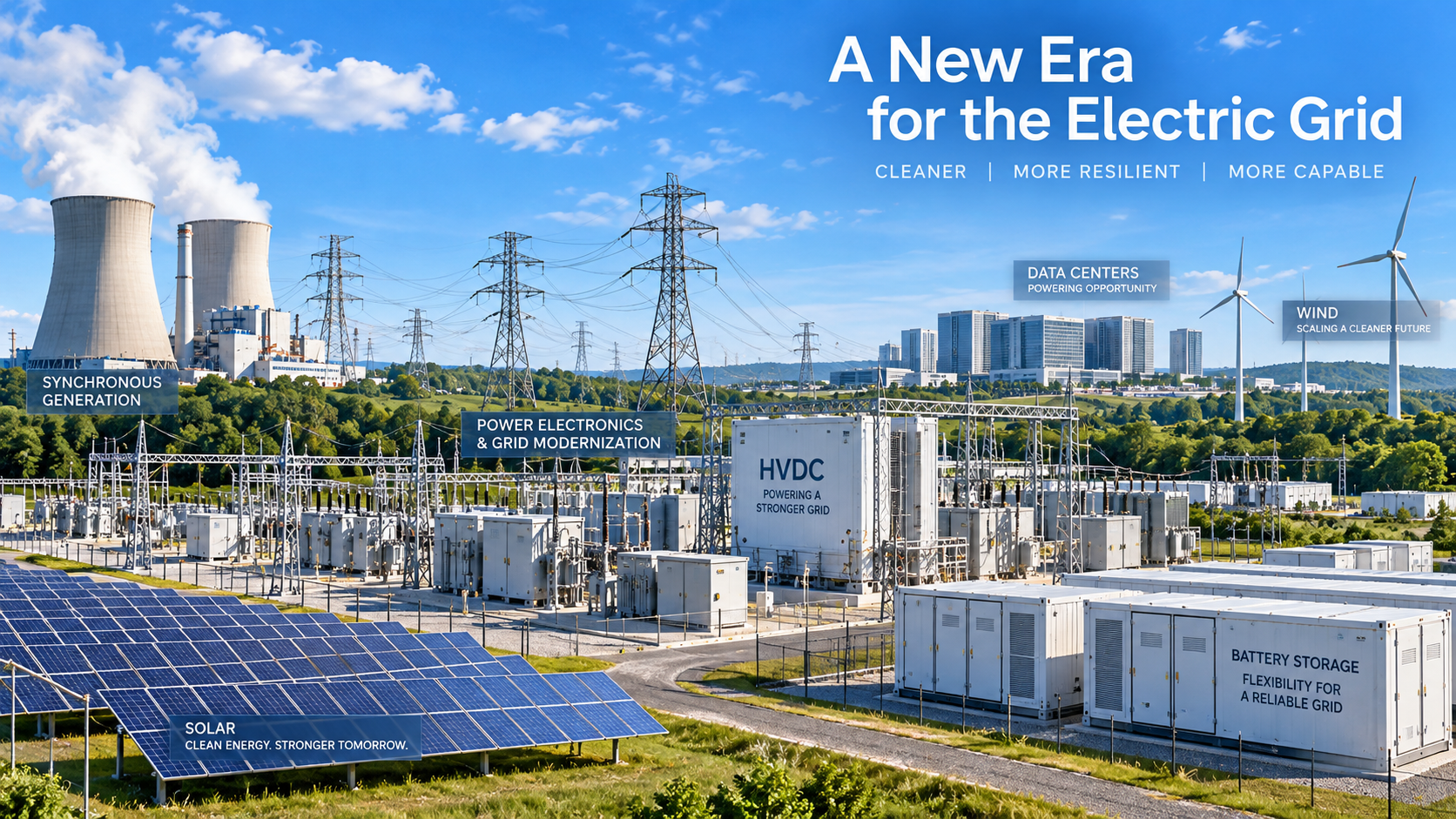
The Biggest Transformation of the Electric Grid Since AC Power
An introduction to the accelerating shift from electromechanical grid infrastructure toward inverter-based resources, HVDC, dynamic reactive support, and increasingly software-controlled power systems.
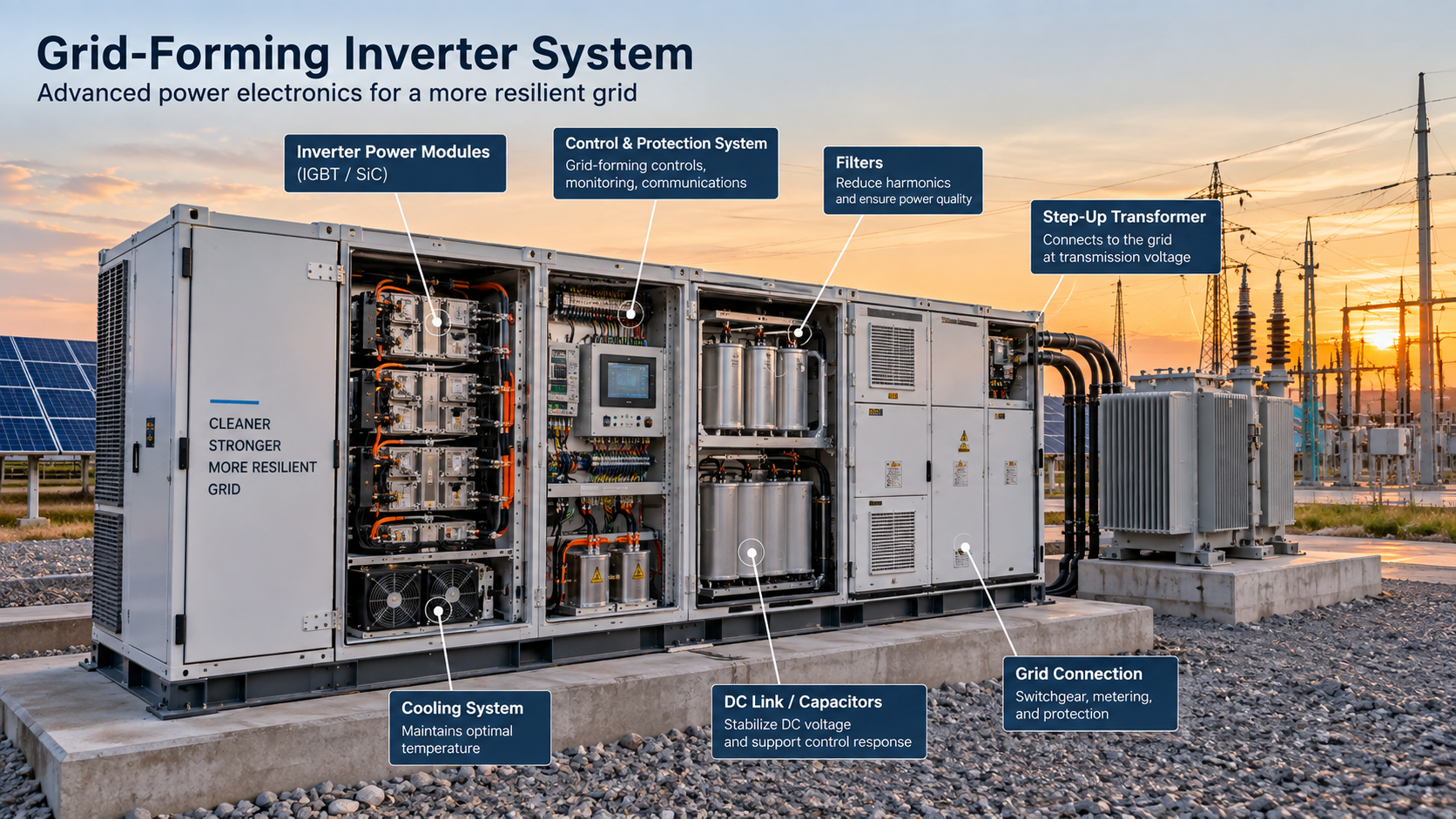
Grid-Forming Inverters: Rebuilding the Functions Once Provided by Synchronous Machines
Examines how grid-forming inverter controls can establish voltage and frequency references, support weak grids, and provide capabilities traditionally associated with synchronous generation.
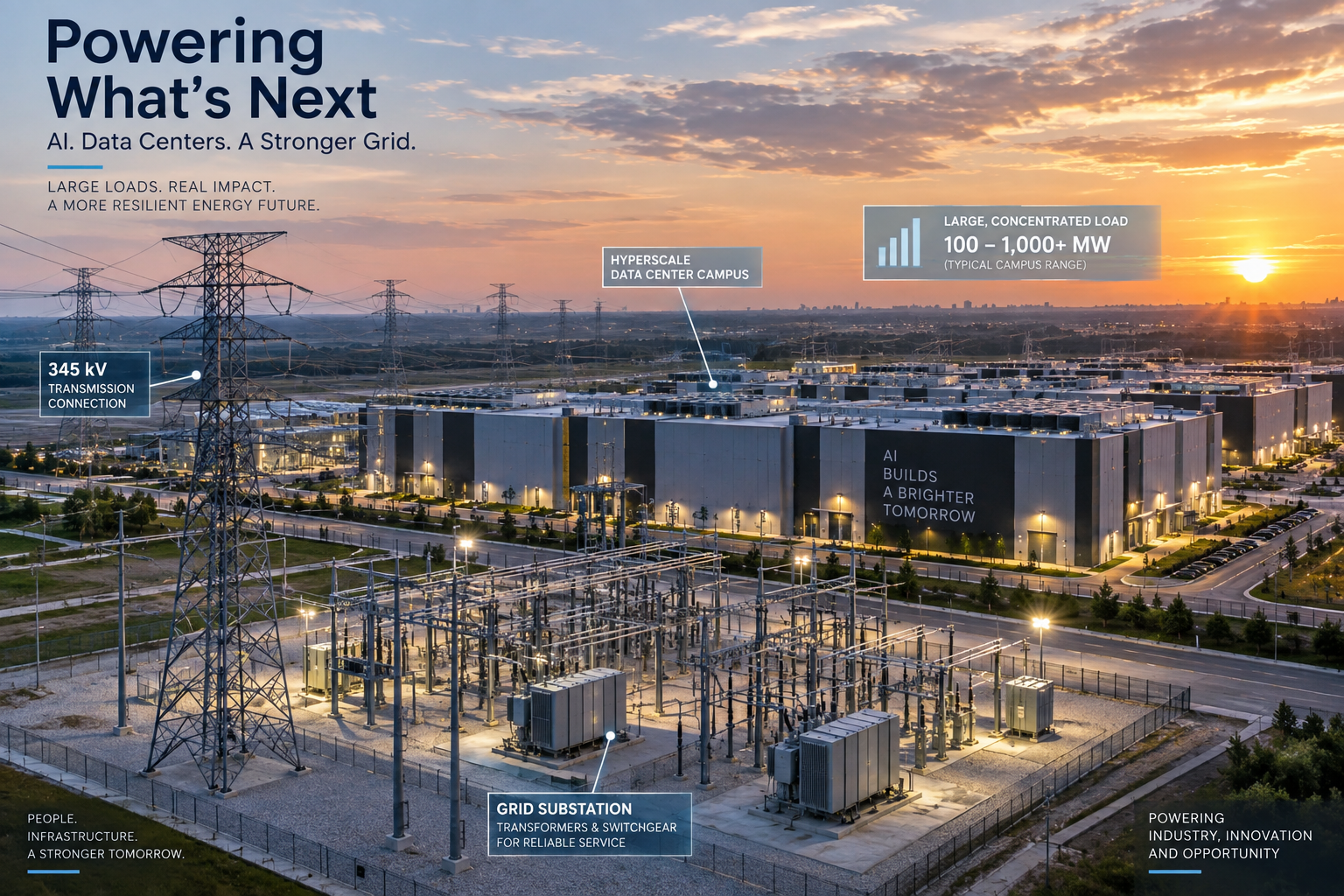
Why AI Data Centers Are Reshaping Grid Planning
Explores how rapid growth in AI and hyperscale data centers is creating large concentrated loads while accelerating demand for power-electronic equipment, grid upgrades, and new approaches to system planning.
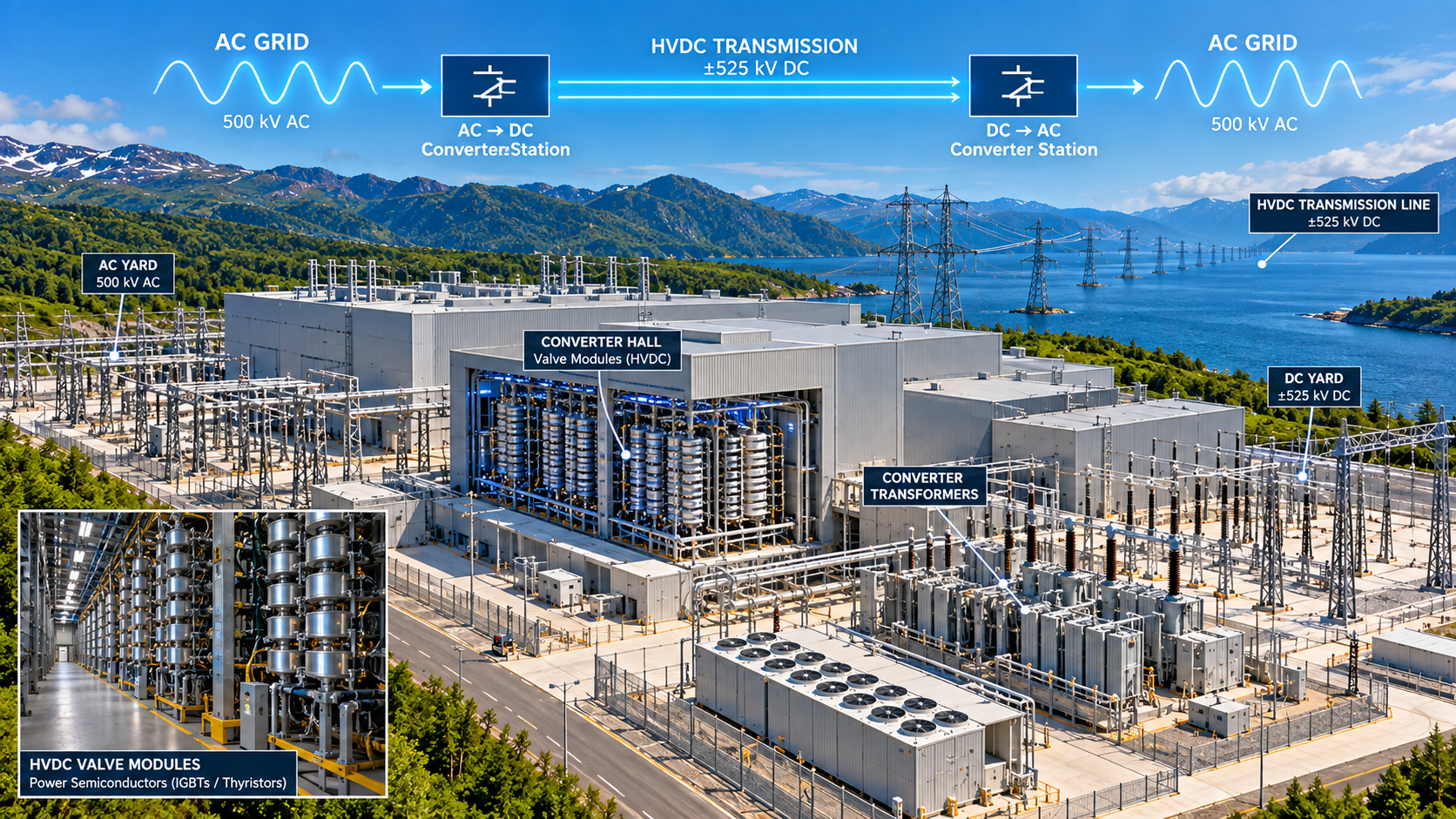
Inside the Global HVDC Expansion Boom
Examines the expanding role of HVDC transmission as grids move larger quantities of electricity across long distances and connect increasingly diverse generation resources and power systems.
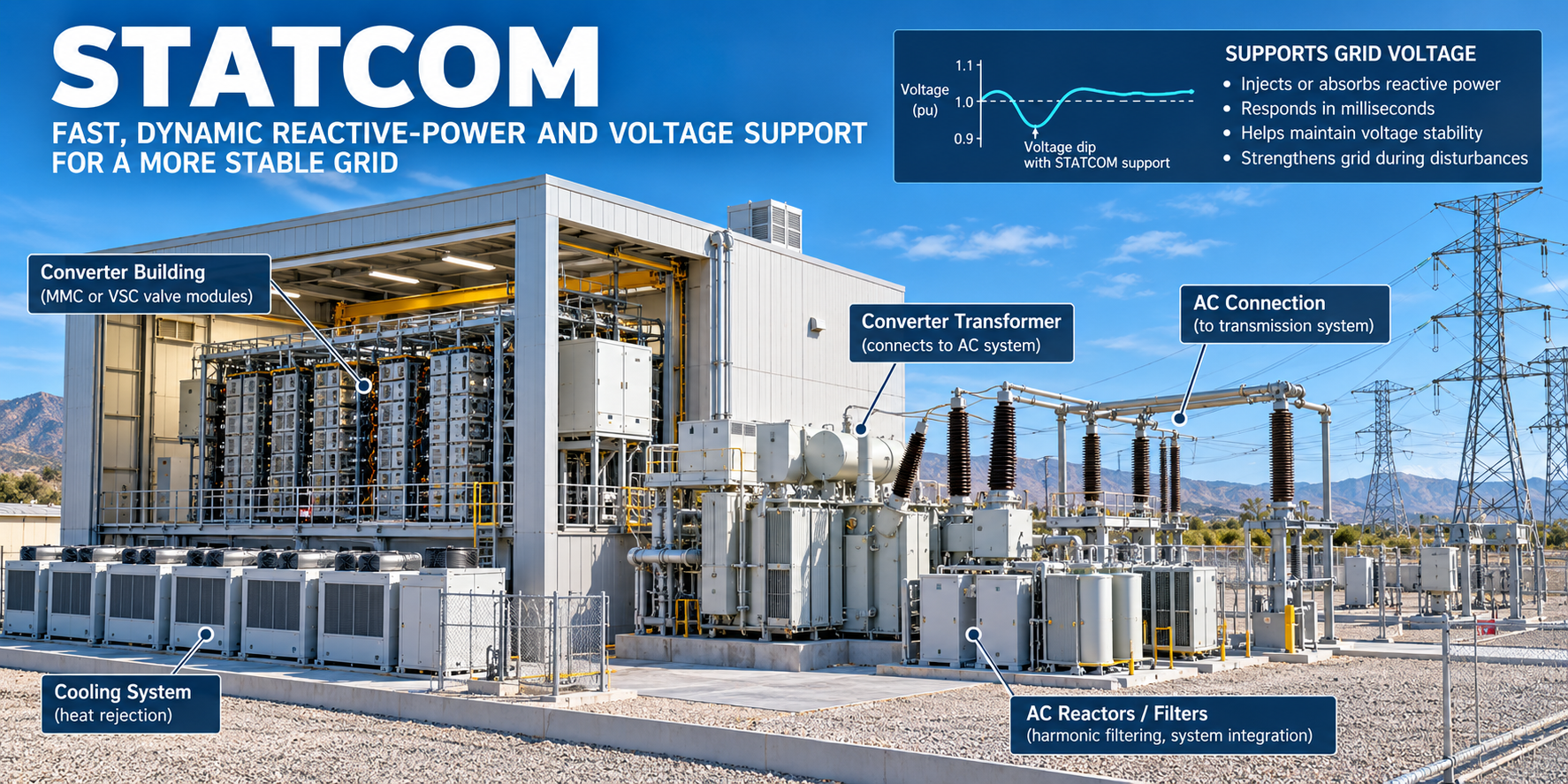
STATCOMs, SVCs, and the New Age of Voltage Control
Explores why STATCOMs, SVCs, and other dynamic reactive-power technologies are becoming increasingly important for voltage control and system strength as the generation mix changes.
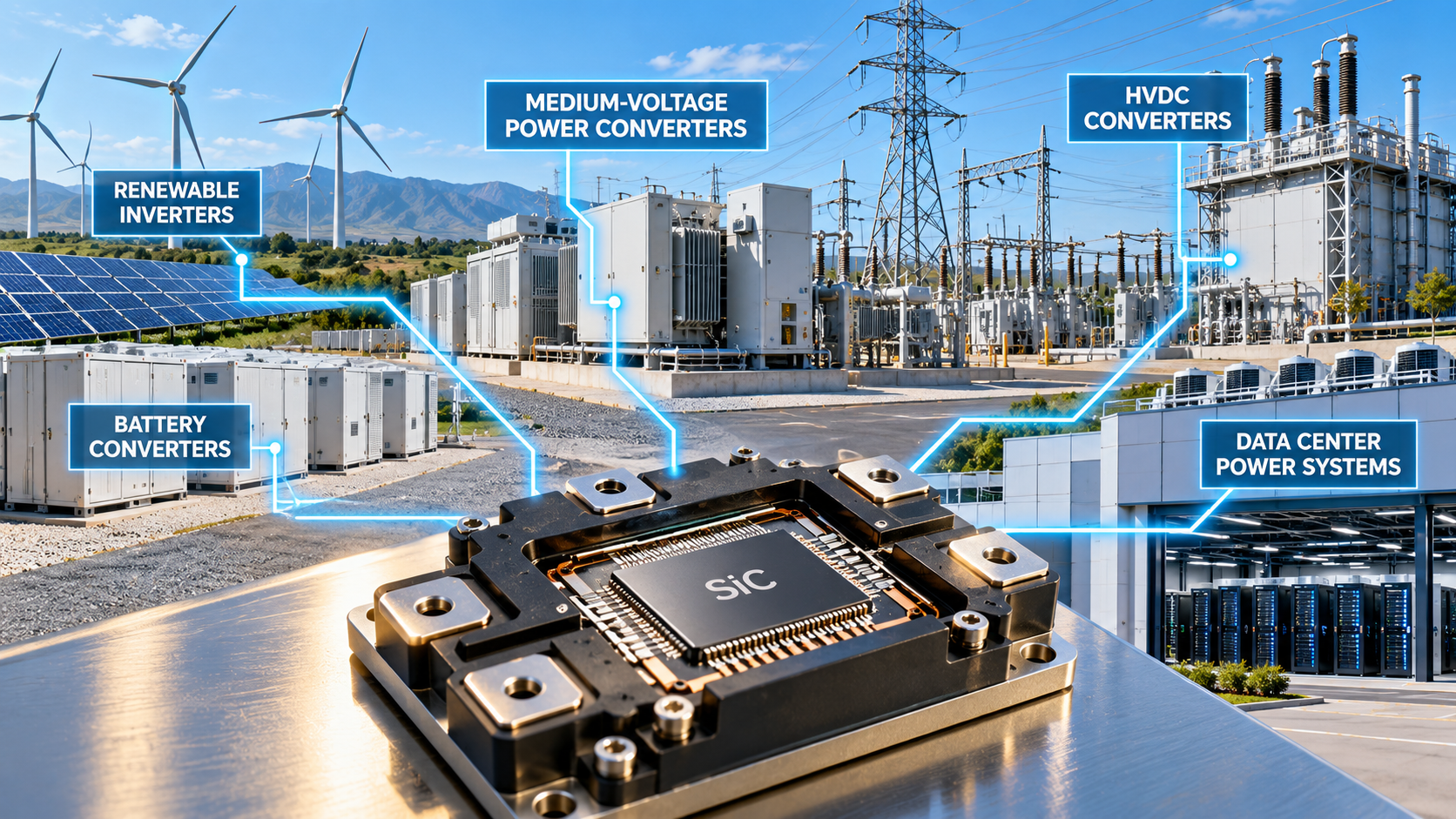
Silicon Carbide: The Semiconductor Revolution Powering the Future Grid
Examines how silicon carbide power semiconductors could enable smaller, faster, and more efficient power-electronic systems across grid infrastructure and energy technologies.
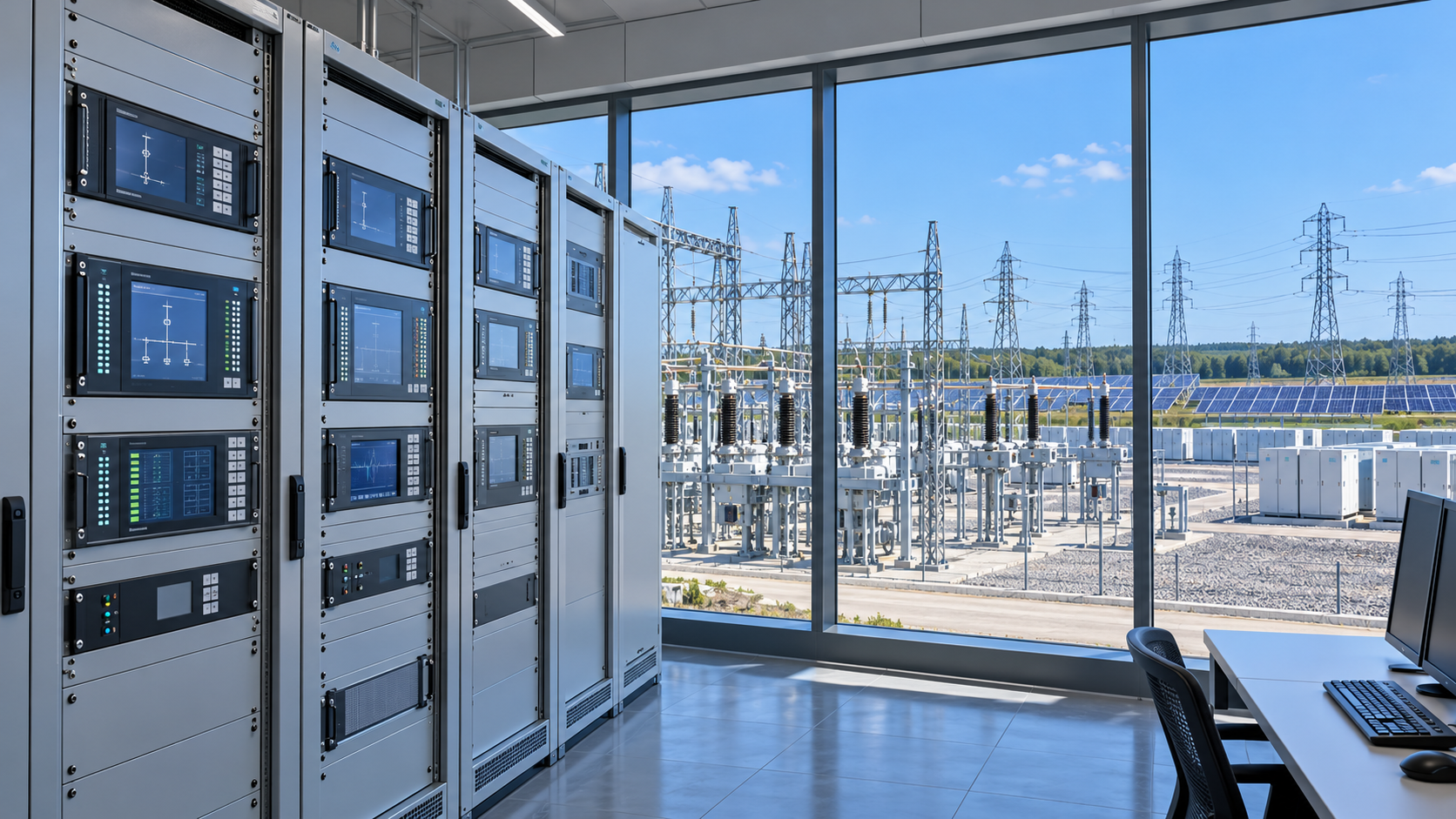
Protection Challenges in Inverter-Dominated Power Systems
Explores how declining fault current and changing system behavior from inverter-based resources are challenging protection schemes designed around synchronous machines.
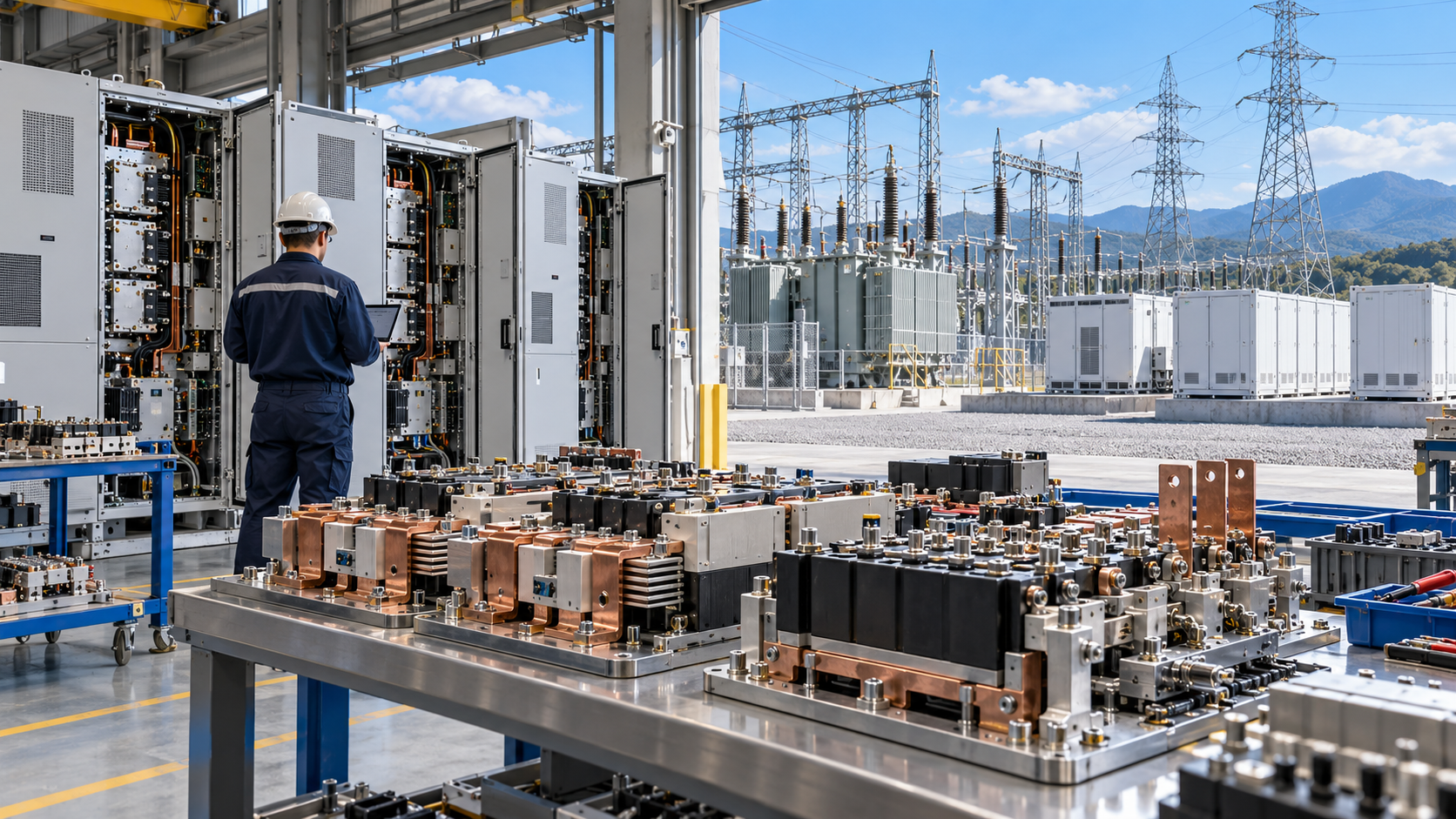
Who Wins? Companies and Technologies Positioned for the Power Electronics Supercycle
Maps the companies, equipment, semiconductor technologies, and engineering capabilities positioned to build the increasingly power-electronic electric grid.
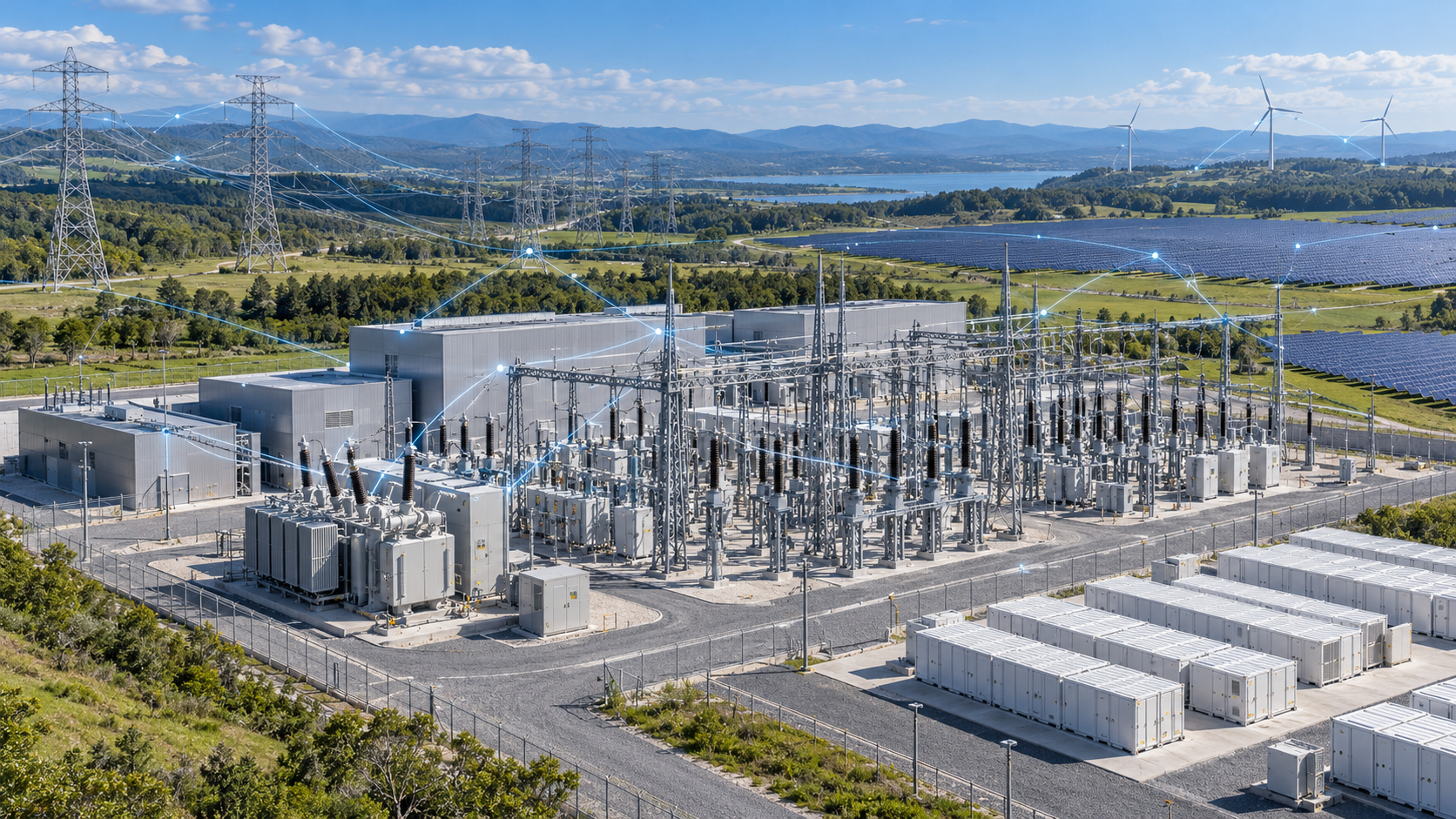
The Future Grid: A New Operating System for Electricity
Power electronics, advanced controls, digital networks and AI-assisted operations are creating a new operating model for electricity. The final installment explores what comes next.