Analysis
-
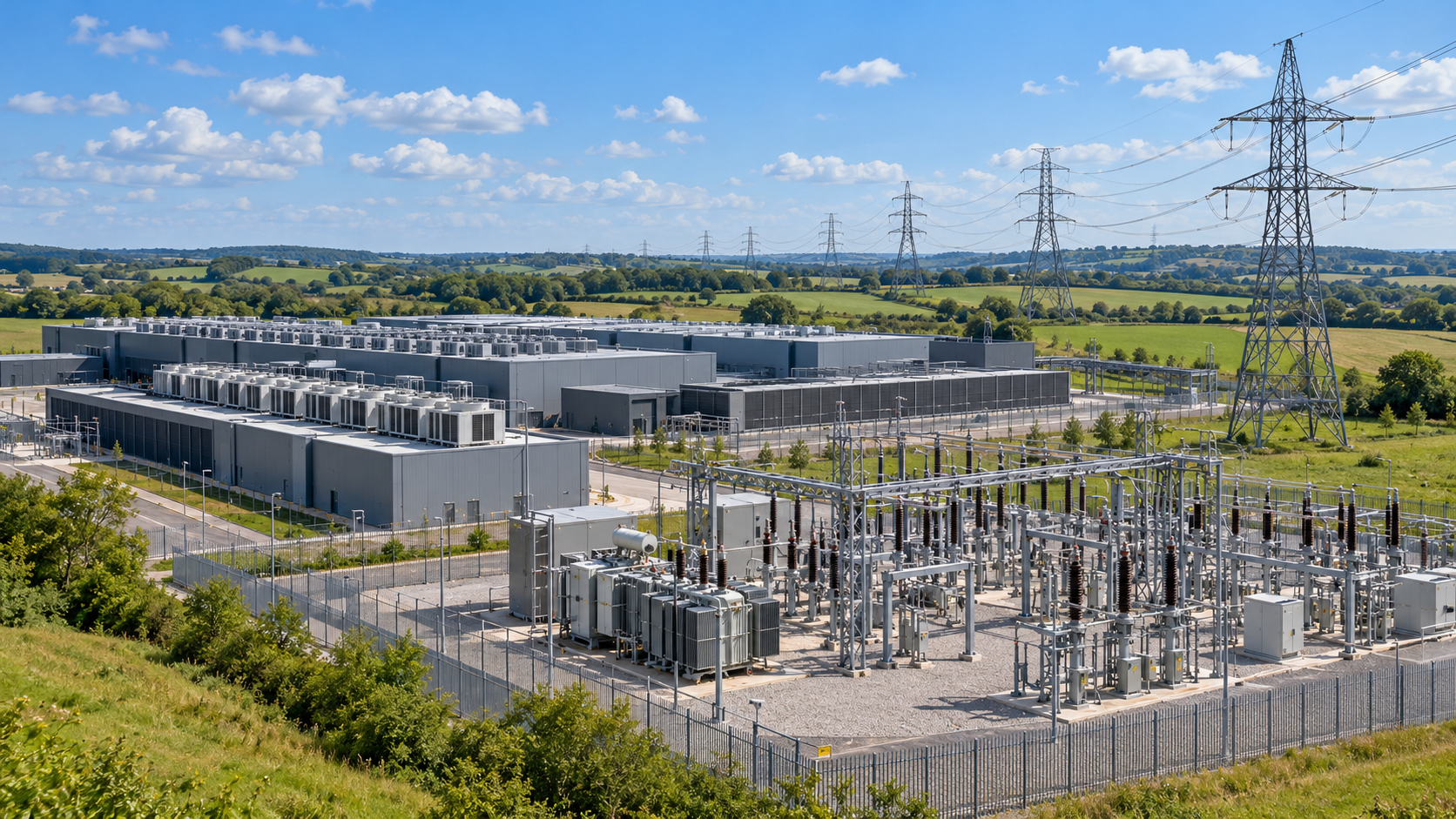
Data Centers Turn to Fuel Cells as Grid Connection Delays Drive Interest in On-Site Generation
Data-center developers are considering on-site fuel cells as connection schedules constrain expansion. Existing research and company agreements indicate interest, while fuel supply, protection, operating controls and delivery readiness still determine practical deployment.
-
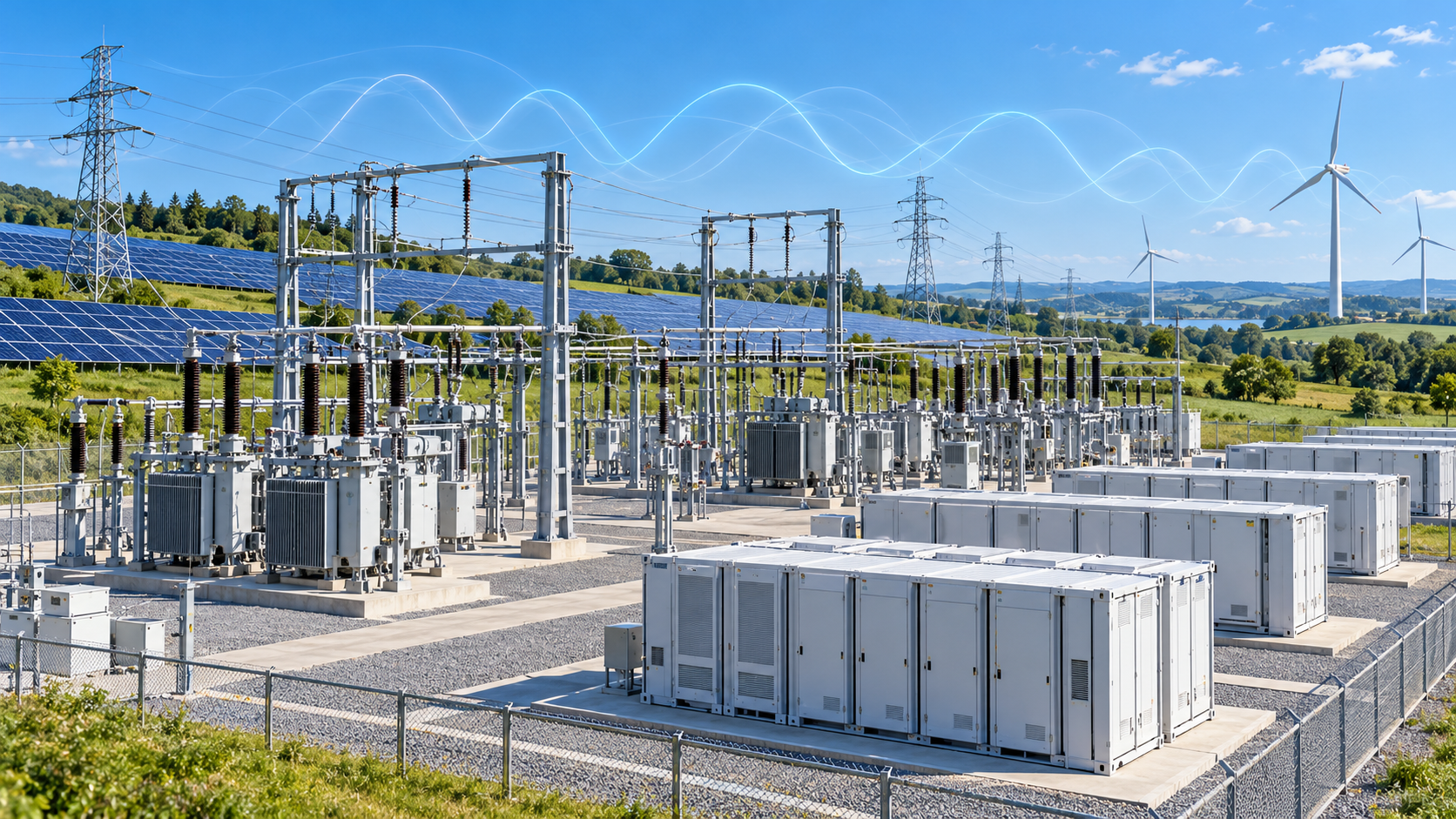
The New Oscillation Modes Nobody Designed For
How converter controls, subsynchronous interactions, phase-locked loops, and shared networks create oscillation risks—and why accurate models, measurements, and coordinated engineering matter.
-
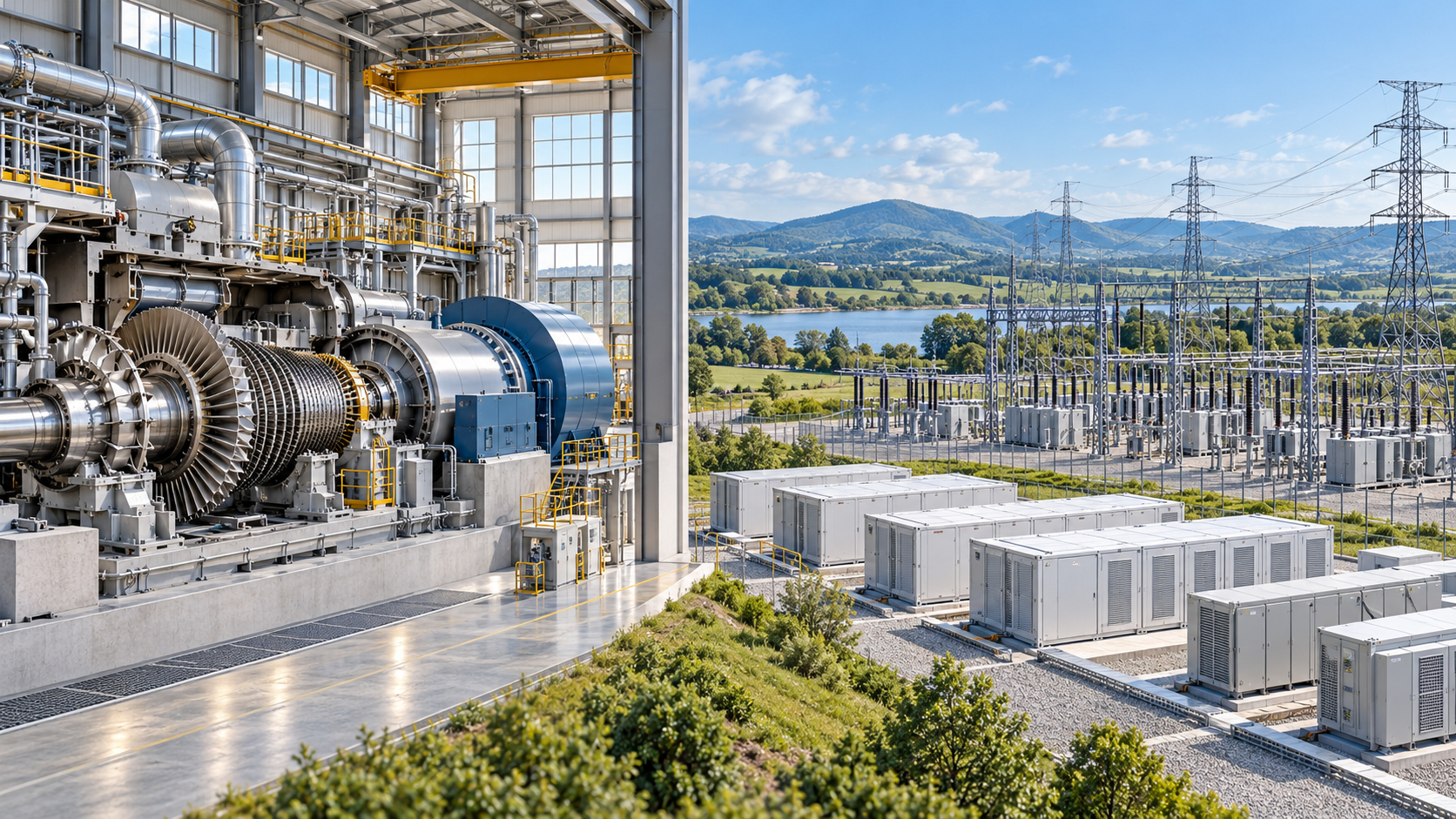
From Rotating Machines to Digital Controllers: Why Inverters Are Changing Grid Stability
How synchronous machines, grid-following and grid-forming inverters, weak-grid interactions, and battery controls are changing the engineering of power-system stability.
-
When the Grid Cannot Deliver: How Electricity Delays Are Reshaping AI Data-Center Expansion
Microsoft’s withdrawal from a planned Nscale facility in Britain exposes a growing infrastructure problem: AI projects can be ready to move forward long before the electricity network is ready to serve them.
-
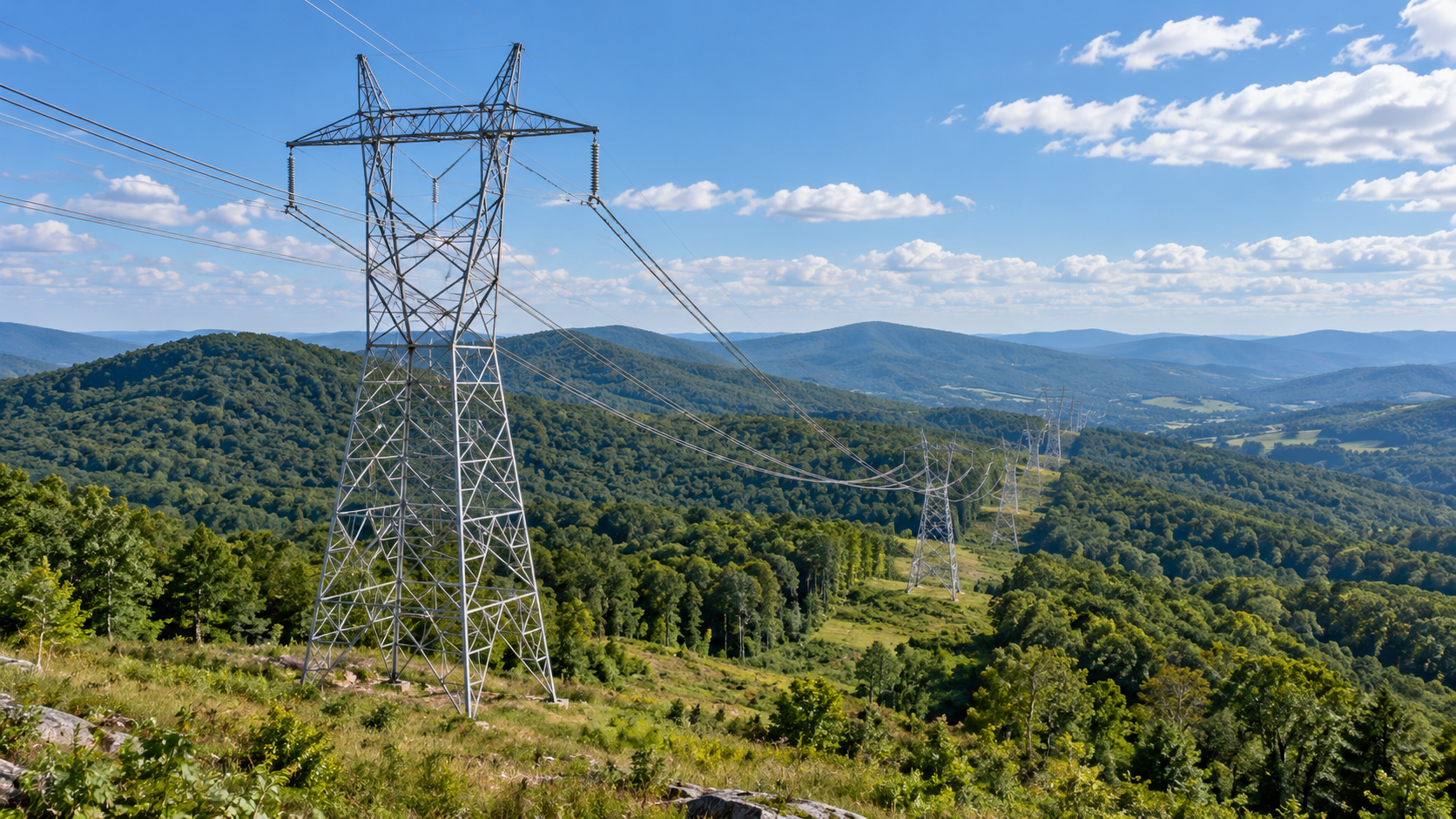
The Grid Cannot Wait for New Transmission Lines. Can Advanced Technologies Unlock Existing Capacity?
DOE’s Virginia and West Virginia initiative highlights a faster approach to transmission expansion—and the engineering limits that still matter.
-
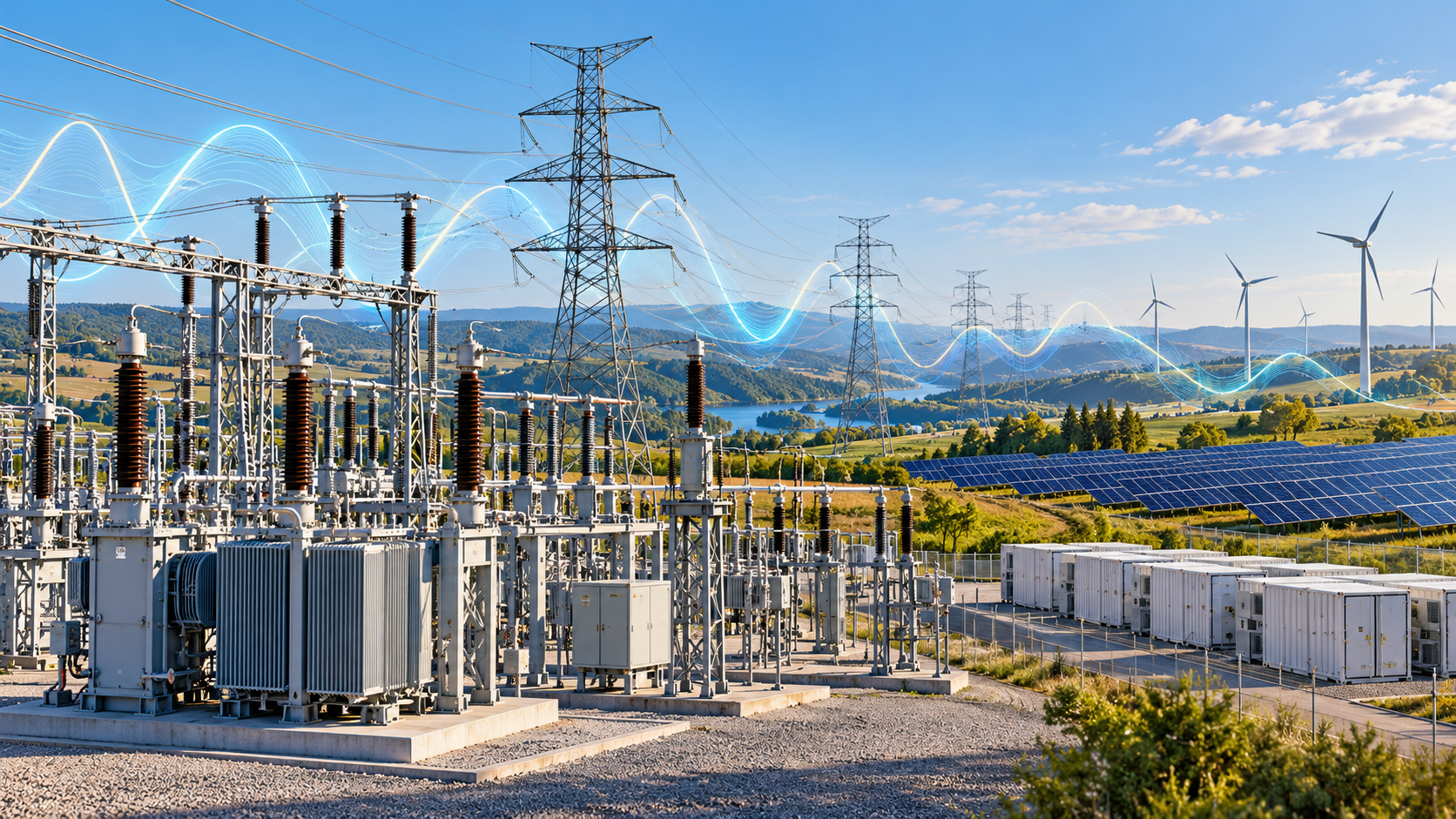
The Return of Oscillations — Why the Renewable Grid Has a New Stability Problem
How inverter-based resources change oscillation mechanisms, control interactions, and the engineering methods needed to maintain adequate damping and grid stability.