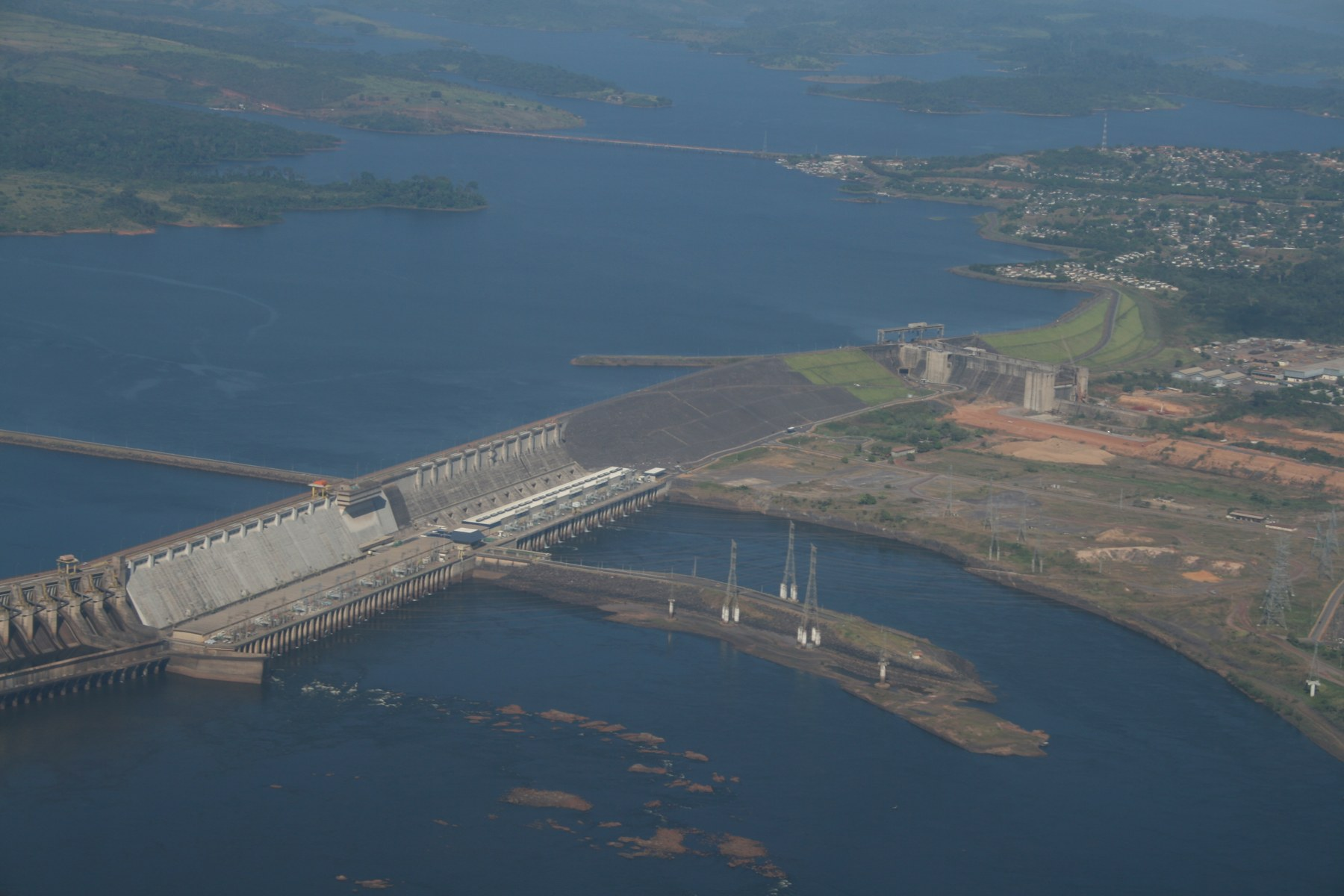
Tucuruí dam, photographed in 2008. Photo: Bruno Huberman / Repórter do Futuro, CC BY 2.0. Resized for publication.

AXIA Energia has concentrated the operation of seven hydroelectric plants at its Tucuruí operations center in Pará, Brazil. The portfolio totals 11.2 GW of installed capacity, the company said in an October 23 announcement.
The final transfer moved operational command of Teles Pires and Colíder from Brasília to Tucuruí. The consolidated group also includes Tucuruí, Balbina, Samuel, Coaracy Nunes and Curuá-Una.
AXIA describes remote functions including starting and stopping generating units, adjusting output and monitoring hydrological conditions. It says common procedures and faster contingency response are objectives of the consolidation. Those objectives should be distinguished from independently measured improvements in reliability.
The engineering significance
Managing separated facilities from one center makes communications availability, secure access, command authorization and operator awareness important design questions. Installed generating capacity describes the portfolio; it does not mean all plants can produce their combined rating continuously.
Remote supervision also does not, by itself, establish how local protection or emergency shutdown functions are implemented. The announcement provides no basis for alleging a cybersecurity weakness or assuming that every safety function depends on the remote connection.
What to watch next
The operational value will depend on how consistently the arrangement supports dispatch and contingency management. Further technical disclosures or operating evidence would be needed to assess communications resilience and local fallback arrangements. Related grid-security coverage examines why actual communications boundaries matter.