GRID NEWS · JAPAN / ASIA-PACIFIC
Demonstration announced: October 20, 2026
NTT and NTT DOCOMO are exploring whether telecommunications workloads can be coordinated with solar generation and battery storage to improve energy flexibility.
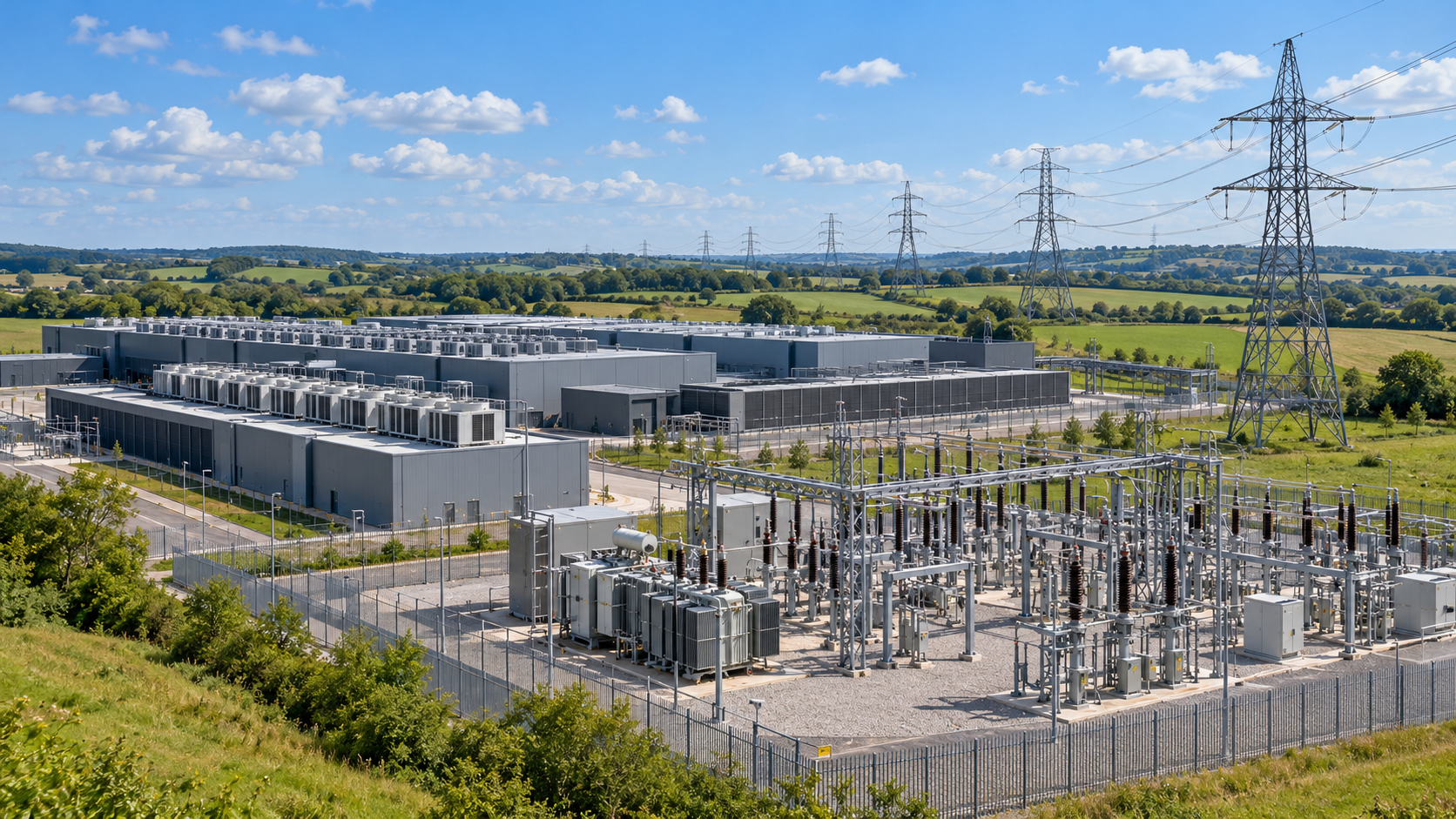
Editorial illustration; not a photograph of the reported project or event.
NTT and NTT DOCOMO announced on October 20 a demonstration intended to coordinate telecommunications computing workloads with distributed electricity resources.
The project combines workload management with solar generation and battery storage.
The companies plan to evaluate performance during normal electricity-system conditions, periods of tight electricity supply and disaster-related outages.
The demonstration is expected to continue through December 2026.
The initiative explores an alternative to treating computing demand as entirely inflexible.
If processing workloads can be moved between locations or rescheduled within operational limits, computing infrastructure may be able to respond more effectively to changing electricity-system conditions.
However, the announcement represents a demonstration programme rather than verified commercial-scale performance.
Engineering significance
Coordinated workload management could provide an additional source of electricity-demand flexibility, depending on response time, communications reliability and application requirements.